
In short: A production team usually includes a producer who owns the vision and budget, a production manager who handles logistics, a stage manager or show caller who runs the cues, technical crew for sound, lights and video, a production assistant and, for VIP events, a concierge. Small events combine roles; large ones need dozens of people. Updated November 2026.
No one person can run an event alone. Bizzabo’s 2026 benchmarks found that 45% of event teams have only one to three people, so most teams bring in freelancers and suppliers for show day. Knowing the roles helps you decide who to hire and who does what.
The core roles
Producer
The producer owns the creative vision, the budget and the final decisions. They turn the client’s goals into a show plan and approve changes on the day.
Production manager
The production manager handles logistics: suppliers, crew bookings, freight, power, internet and venue orders. They keep the production schedule.
Stage manager or show caller
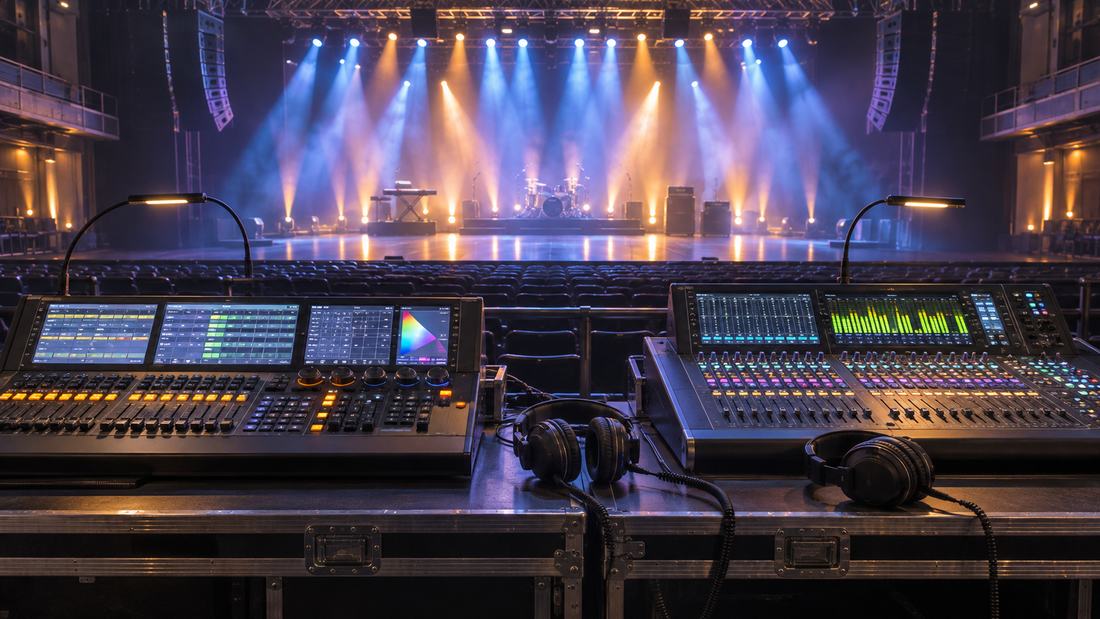
During the show, the stage manager calls every cue over headset: speakers on, video roll, lights change. As HB Live describes, show callers follow the run of show while technicians mix audio, switch video and run lighting.
Technical crew
Sound engineers, lighting operators, video and camera operators, riggers and stagehands. For large shows, rigging goes up first, then lighting, audio and set, according to Guidebook.
Production assistant
The production assistant plays a supporting role and is often described as a jack of all trades: running errands, guiding speakers, fixing small problems.
VIP concierge
A VIP concierge is one of the people who handle planning and execution for high-profile guests: transfers, hotel and restaurant bookings, special requests and on-site hosting.
Other roles
Depending on the event: a content producer for slides and video, a registration lead, a catering manager, security and a photographer or videographer.
How to build the team
- Start with the producer. Pick the person who will own the whole event, then let them shape the rest of the team.
- Decide what to keep in-house. Small teams usually outsource sound, lighting and staging to a production company.
- Write clear roles. Each person should know what they own and who they report to.
- Use one communication channel. Radios or headsets for the show, plus a group chat for text updates.
- Share the run of show early. Everyone, from speakers to caterers, should work from the same document.
- Debrief afterwards. Note what went well and what to change while it is fresh.
Team size by event
| Event | Typical team |
|---|---|
| Small party or meeting | One planner plus venue staff and a sound technician |
| Product launch | Producer, production manager, stage manager, AV crew |
| Large conference | Full team; a 10,000-person conference may need 50 or more technicians for load-in |
The large-conference figure is from Tower House Global.
Common questions
What does an event producer do?
Owns the vision, budget and final decisions for the event.
What is the difference between a producer and a production manager?
The producer decides what the show is; the production manager makes the logistics happen.
Who calls the cues during an event?
The stage manager or show caller.
How we put this together: role descriptions draw on the production guides below. Checked in November 2026.
